-compressed.jpg)

Daily, snackable writings to spur changes in thinking.
Building a blueprint for a better brain by tinkering with the code.
subscribe
rss Feeds
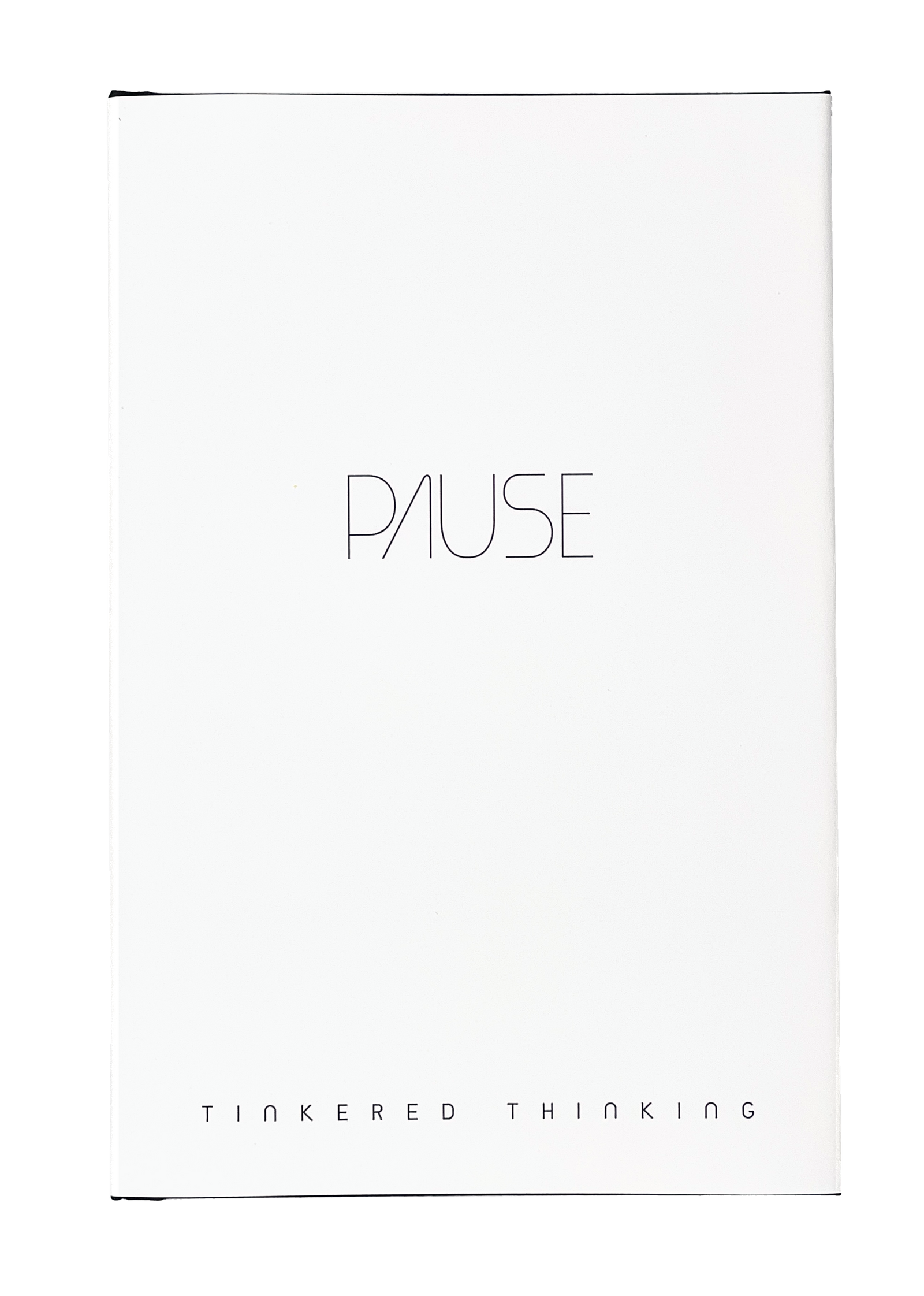
The first non-fiction book from Tinkered Thinking. PAUSE is a short book on meditation. Now available on the Tinkered Thinking Bookstore.
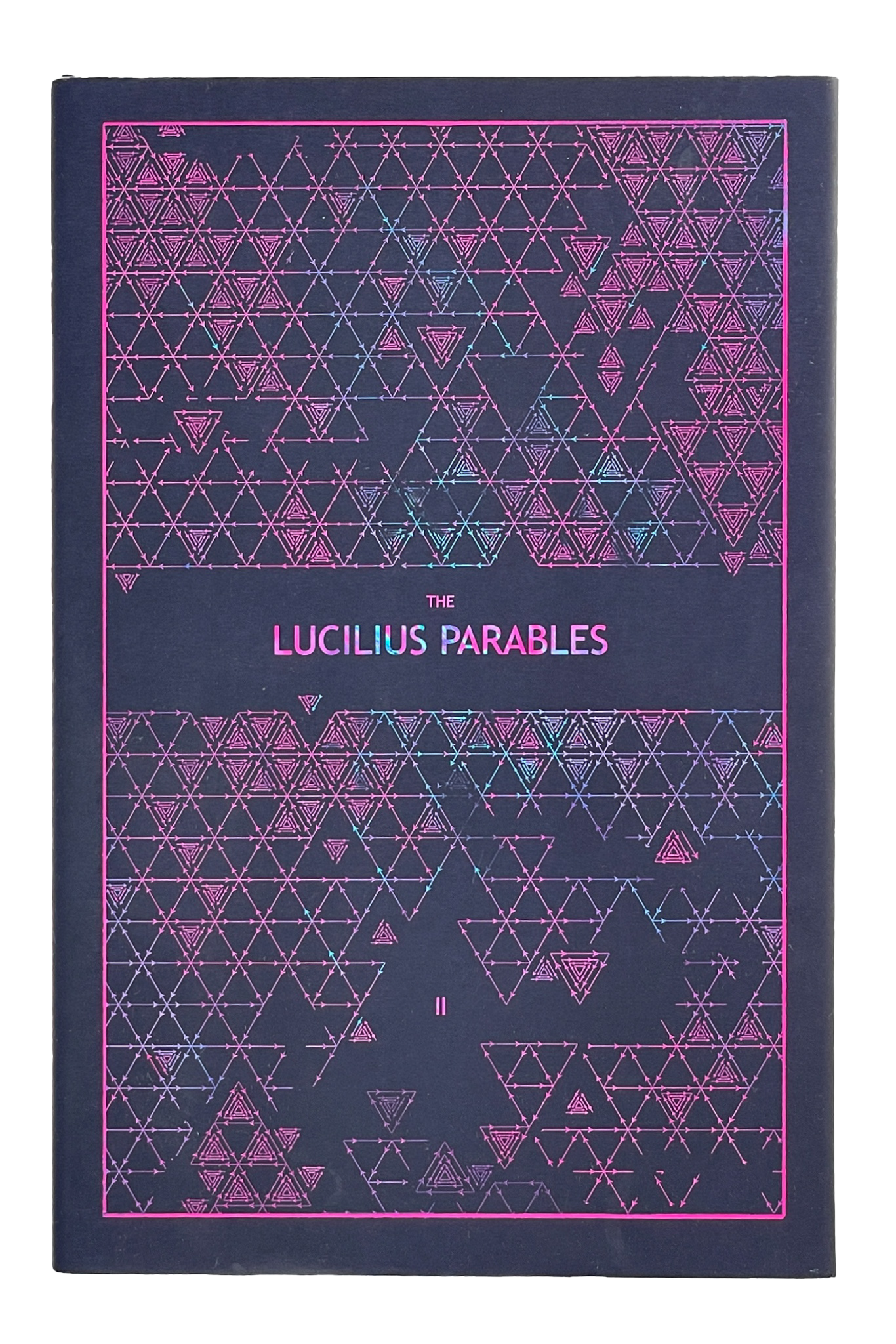
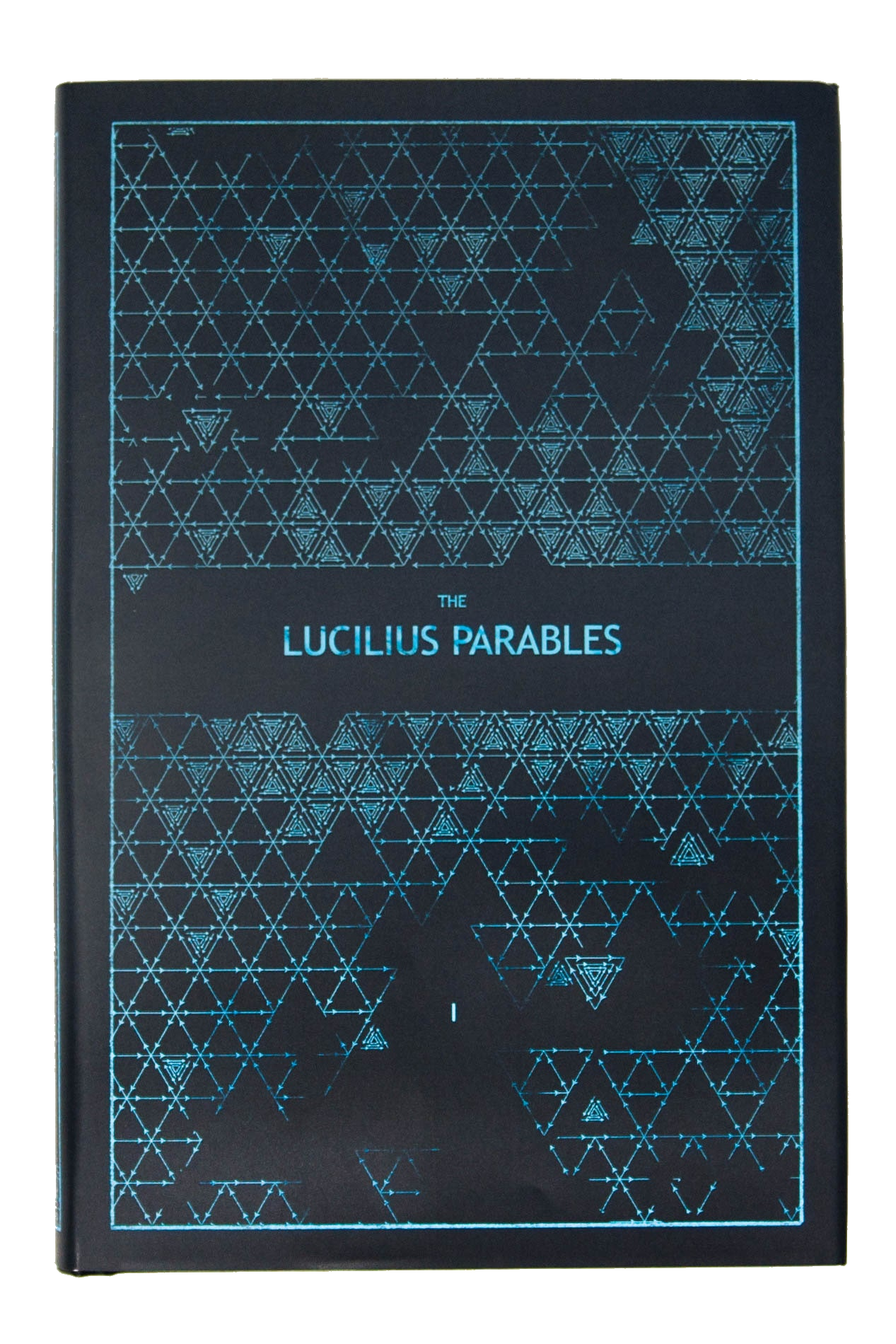
The SECOND illustrated book from Tinkered Thinking is now available!

SPIN CHESS
A Chess app from Tinkered Thinking featuring a variant of chess that bridges all skill levels!

REPAUSE
A meditation app is forthcoming. Stay Tuned.




LATTICE & EDDIES
August 24th, 2026
If you look closely you may notice something different about Tinkered Thinking. I'll give you exactly one paragraph to see if you can spot it.Splicing a vein from the last post: the details can really make something come alive. Aesthetics are often all about the details, and they affect everyone — even those who say they have no sense of design or style at all. A handwritten postcard is a great example. Anyone can instantly pick it out in a stack of mail they thumb through. And it's because the details leap out from the pile of mass produced, perfect-print font stamped into all the other envelopes and advertisements. A simple example, but an obvious one. A subtler one might be when the first T-shirt company decided to sell shirts without that annoying tag in the collar. They decided to print the wash instructions directly onto the inside of the shirt. Brilliant, and simple, but subtle. Not something you see. It's something you feel. Such details are like easter eggs in a video game. It's a subtle nod between the creator who came up with it, and the person who eventually experiences it. There's that handshake across time and space, a nod. Nice.
By now, you might notice that in the bottom left hand corner of your screen, there's a subtle pattern tracing itself out. It's a lattice of sorts, composed of triangles that eddy. If you're curious about where the pattern came from, check out the Tinkered Thinking Bookstore. The growing pattern is there too.
There's some symbolism behind it, which I'll get to in a moment, but before that I think it's worth saying that nothing on the internet should be ugly anymore. If you have even an iota of experience when it comes to coding, you know that AI has taken this field by storm, and an apt programmer can leverage it to enormous benefit these days. This little growing pattern, for example, is something I've wanted to do for years. But, the ROI on it is horrible. It would have taken me a LONG time to get this working if I'd coded it by hand. And then, you know.. what exactly is the point of all that effort? Of course I'd like to do it, and like so many things, if I was locked in a room and given no other option, I'd not only do it, I'd really enjoy it. Unfortunately there's a lot of things that fall into that category, and then there's a whole other category of things I should do that have much higher ROI. So, for a long time it just remained a quaint idea. And then AI came along and got good enough so I could get this up and running in no time at all. (took some time to polish it and get it just to my liking, but altogether the time I spend on it was a tiny fraction of what it would have taken had I done it by hand.) Most won't care, and some might even find it annoying, which is fine. But for those who have enjoyed Tinkered Thinking, I like to think you might smile and chuckle for a brief moment. Nice.
So what does the lattice mean? It's fair to say that in the beginning it didn't really mean anything. I like triangles, and then a lot of reasoning about it followed after. For example, a circle is technically a polygon with infinite sides of equal length. If you reverse the direction of that definition, then a triangle is the lowest dimensional representation of a circle. When I was writing the first couple hundred essays, my thinking really started to hone in on this notion of vicious and virtuous cycles — feedback loops that self-amplify. Bad habits become vicious cycles and good habits can become virtuous cycles. So then the triangles grew into a trio of vectors, swirling around. Then the triangle of vectors became nested, implying a spiral. I think of vicious cycles as downward spirals and virtuous cycles as upward spirals. It feels fairly intuitive... each turn of a spiral is an identical version of the previous turn, just intensified, zoomed out. And triangles naturally have a fractal nature when stacked together. This recursive, fractal, spiralling concept felt apt for many of the concepts I was weaving together. And so when it came time to design the cover of my first book, it was as though this design was already in my head — conceptually. Translating it to a design didn't really require any kind of thought at all. And their growth — now properly animated in the way I've always imagined — is properly reminiscent of the way that neurons grow and search and connect. All of it together made sense to me, symbolically. Neurons growing like tiny streams of water searching downhill, finding little pockets and curving round into an eddy. Like the topics of Tinkered Thinking: an aimless wandering curiosity, constantly wrapping around this or that thought or observation or insight, circling it for a few hundred or thousand words, and then branching off again in search of some new little obsession.
It's good that I've now essentially automated this design task, because, tbh, it was tedious to do it all by hand, and it is just one of a dozen tedious reasons why The Lucilius Parables Vol III is not out. There's a few more things I'd like to automate, but all of it is in service of the core purpose of Tinkered Thinking: to just give me the space to write and play with words.