-compressed.jpg)

Daily, snackable writings to spur changes in thinking.
Building a blueprint for a better brain by tinkering with the code.
subscribe
rss Feeds
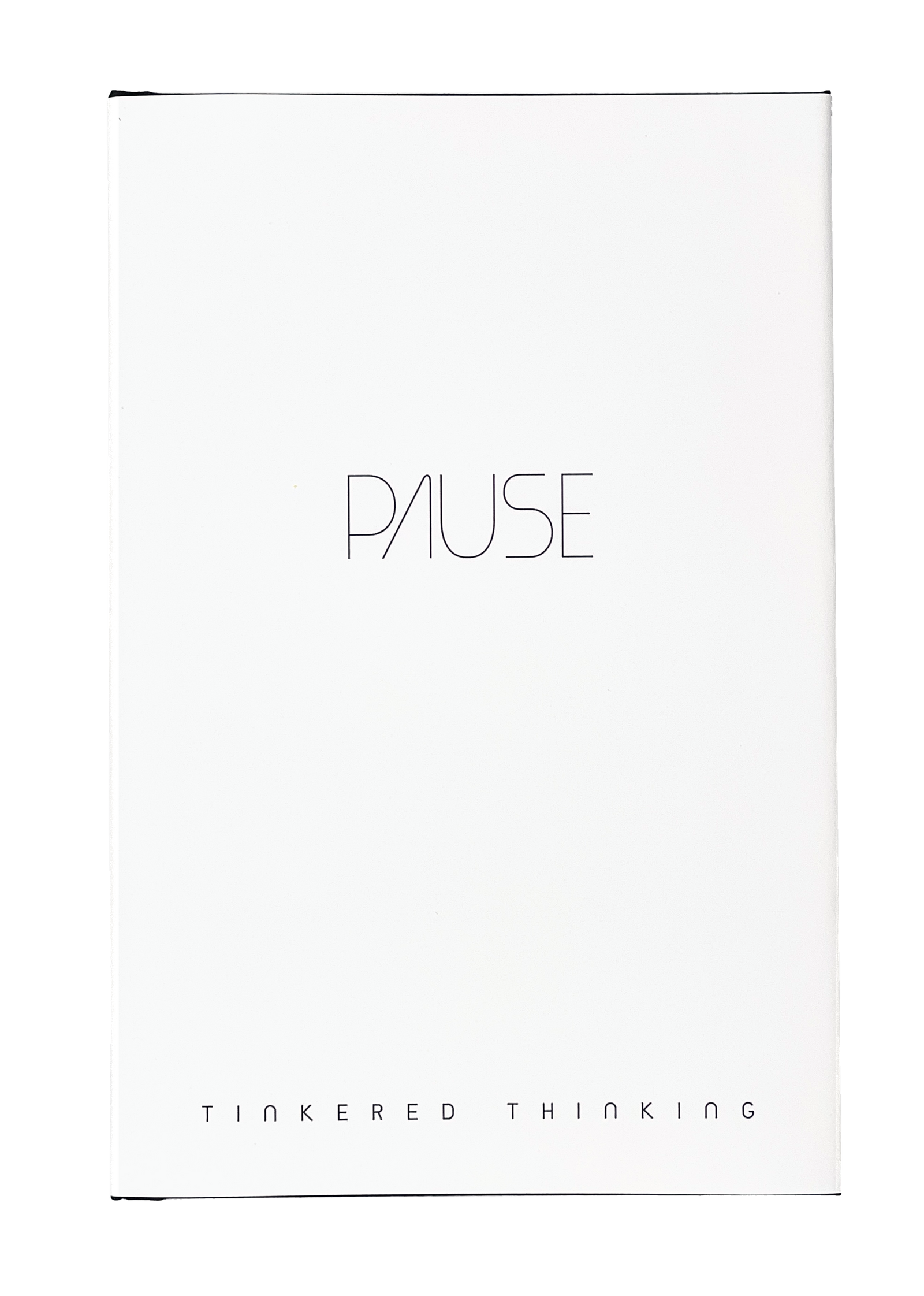
The first non-fiction book from Tinkered Thinking. PAUSE is a short book on meditation. Now available on the Tinkered Thinking Bookstore.
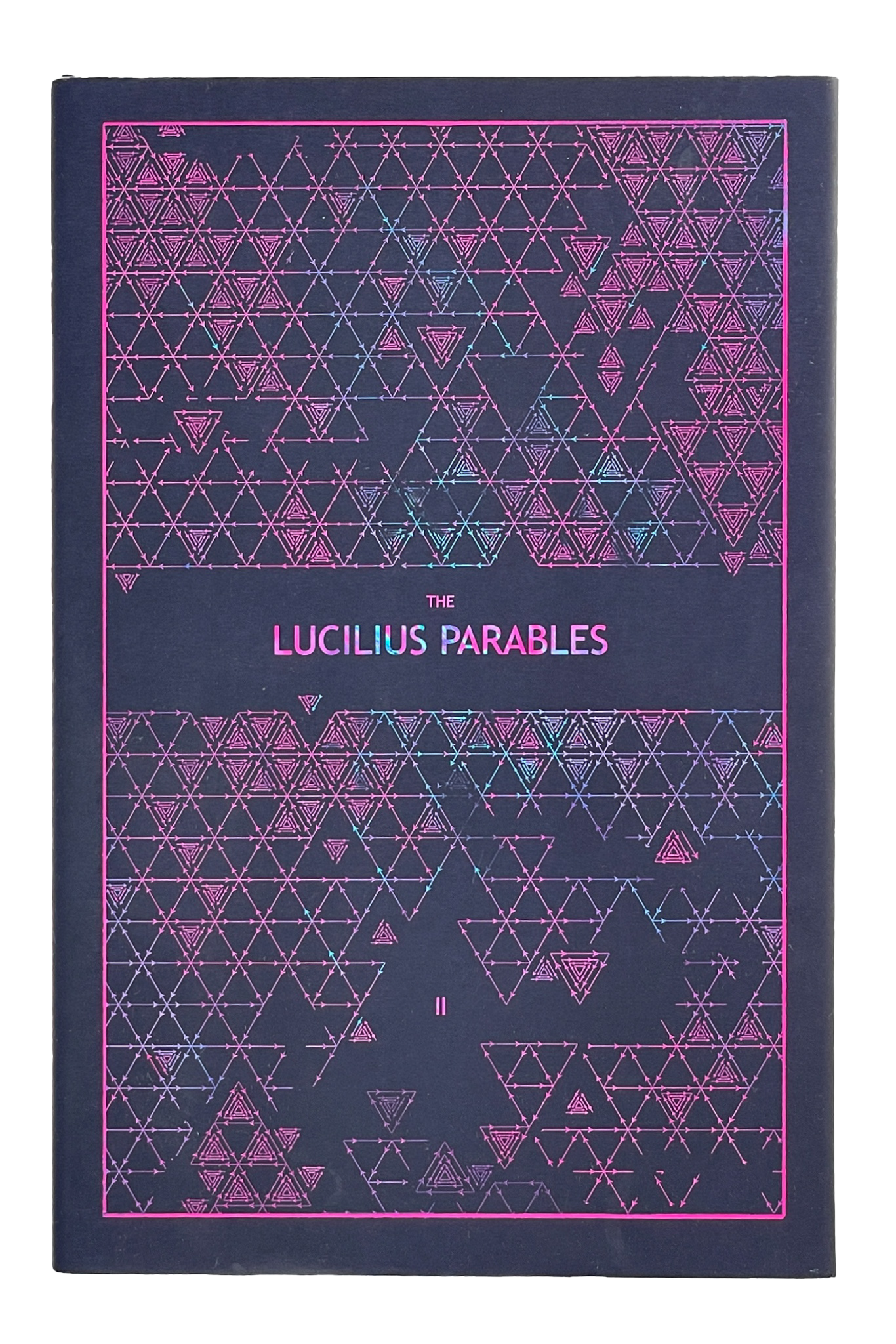
The SECOND illustrated book from Tinkered Thinking is now available!

SPIN CHESS
A Chess app from Tinkered Thinking featuring a variant of chess that bridges all skill levels!

REPAUSE
A meditation app is forthcoming. Stay Tuned.




THE LITTLE THINGS
August 19th, 2026
They say it's the little things in life: the moment when your mind clears and you notice the way sunlight dances on a leaf as it wavers in the morning breeze, the way a child quietly walks up to you with arms spread out, wanting a hug, the way the milk rises back up to the surface in your coffee, spinning in eddies.It's the little things in life that make it worth living.
The wisdom behind the quaint statement is that it has a dark side. The little things can make life miserable. The pet peeves a partner has, the long commute, the sink always filled with dirty dishes, the empty fridge after a long day, the unmade bed, the bad sleep, the annoying coworker. They're endless, and while none of them on their own are all that impactful or even worth thinking about, the aggregated effect can be more than demoralizing: it can make for a bad life. Death by a thousand papercuts is the dark side of a coin shared by: it's the little things. . .
There's certainly something to be said for cultivating and practicing a muscle of equanimity that can generate serenity, no matter the situation or annoying facet of reality. Churchill had a great quote to this effect and it shines a light on the connection between the endless papercuts of life and our reaction to them:
A person is about as big as the things that make them angry.
All truisms gloss over some variety of nuance, no matter how perfect they might ring. Consider the source of things. If a total stranger does something annoying, like some buffoon on the road who can't seem to drive perfectly — it's an absolute waste of time and energy to give such an occurrence any thought. If you do, you're automatically living a miserable life: Do you pay attention to the silver linings in life? Or are you too focused on the clouds to notice?
But, if the source is something you care about, this is where the nuance comes in — this is where things get a little murky. If a beloved and much adored partner is perpetually annoyed with something you genuinely don't think is important at all. Well, to ignore it with a sense of serenity is to invite an aggravated elevation of the issue. And what does it mean to live a life that is bound to the pathways dictated by someone else's pet peeves? Well, love is compromise, right?
Love is treated as a foundation. Something to rely on, but after my own experience and a lot of observation, I think this might be a very big mistake. In my experience, love is quite fragile. I think it's no mistake that we give flowers as an expression of love: flowers are fragile, they require a very specific environment to flourish and look their best, otherwise they wilt and die, or they never even sprout. If the environment that gives rise to love isn't the constant priority, then the love will suffer. It's like the difference explored with the perennial question: Do you live to work or do you work to live? Everyone wants it to be the latter. That's what it should be. But the truth is most people live lives that are completely devoted to their job, either out of necessity and desperation, a lack of options, a lack of creativity, or pressure from obligations. In many families, the family itself becomes the pressure that creates an intense focus away from the family, and then the environment for that "love" that created the family in the first place. . . starts to degrade.
A gardener pays attention to tiny details — the little things. The gardener gets dirty, knowing there's a specific kind of mess that gives rise to something beautiful: The pH of the soil, the fertilizer, the amount of sun that hits the garden, the amount of water. All of it is a delicate balance of small variables that together either give rise to a beautiful bloom, or...not. Neglecting one of them can have a huge impact. Like never really being present and listening when that increasingly frustrated family member speaks. Likewise, concentrating on the wrong details can be just as disastrous: drenching everything in pesticides so there are no bugs, failing to realize that some bugs aren't just beneficial, they are necessary. Everything adds up over time. For better or worse. Everything compounds. For better or worse. The gardener with those beautiful blooms knows: it's not just all about the little things, it's about giving time and attention to the little things that actually make a difference. The real question is whether that difference adds up to a beautiful life or, one that makes the beauty too difficult to see.